DIY Fence Installation: A Comprehensive Guide for New Bedford Homeowners
Are you considering a do-it-yourself fence installation project in New Bedford, Massachusetts? This comprehensive guide is your starting point. We’ll walk you through the entire process, from understanding your fencing options tailored to local preferences and regulations, to practical tips for preparation, assembly, and long-term maintenance. By following these steps, you’ll be well-equipped to create a secure and aesthetically pleasing fence that enhances your property’s value.
- Understanding Your Fence Options for New Bedford Properties
- Measuring and Planning Your Fence Layout Effectively
- Preparing the Ground: A Step-by-Step Guide
- Assembly and Installation Techniques for Different Fences
- Securing Permits and Following Local Regulations
- Tips for Maintenance and Longevity of Your DIY Fence
Understanding Your Fence Options for New Bedford Properties
When it comes to fencing your New Bedford, Massachusetts property, homeowners have a variety of options to consider. The first step is evaluating the specific needs and preferences for your outdoor space. Fences can serve multiple purposes, from providing privacy and security to defining property lines and enhancing curb appeal. Common fence types in the area include wood, vinyl, chain link, and iron, each offering unique aesthetics and benefits.
Wooden fences, such as cedar or pressure-treated options, are popular for their natural beauty and durability. Vinyl fencing is low maintenance and comes in various styles, while chain link offers a secure barrier ideal for active yards or pools. Iron fences provide an elegant, classic look but can be more expensive. Understanding the local climate and environmental factors is key to selecting a fence that will withstand the test of time, ensuring your investment adds value to your New Bedford property.
Measuring and Planning Your Fence Layout Effectively
When planning your DIY fence installation in New Bedford, measuring and planning your layout is a crucial first step. Take time to walk the perimeter of your property, identifying where you want the fence to be located, and take note of any existing structures or features that might impact its placement. Use a tape measure to accurately record distances and mark potential fence lines on the ground for visual reference. This will help ensure your fence aligns with local regulations and provides the desired privacy and security.
Consider factors like trees, shrubs, or other obstructions close to the intended fence line, as these might require adjustments in your layout. Create a detailed plan, either on paper or using digital tools, that shows the exact placement of your fence posts and panels. This preparation will make installation smoother, reduce errors, and help you stay within budget.
Preparing the Ground: A Step-by-Step Guide
Before setting any posts, it’s crucial to prepare the ground properly. Start by removing any grass, weeds, or debris from the fence line. Use a flat shovel to dig deep enough to accommodate the fence post’s depth, typically about one-third of its height. Create a hole that is wide enough to allow for easy placement and wiggle room. If your soil is particularly hard, consider using a post-hole digger for a faster and more accurate result. Once you’ve dug out the desired area, line the hole with a 4-6 inch layer of gravel, compacting it firmly. This step will help prevent water accumulation and ensure better drainage around the fence post.
Assembly and Installation Techniques for Different Fences
When it comes to assembling and installing fences, New Bedford homeowners have various options depending on their preferred style and functionality. For wooden fences, a common technique involves using pre-cut panels that are easily assembled with brackets and screws. This method is straightforward and ideal for creating a uniform, straight fence line. Alternatively, individual pickets or rails can be installed, offering more flexibility in design but requiring additional labor.
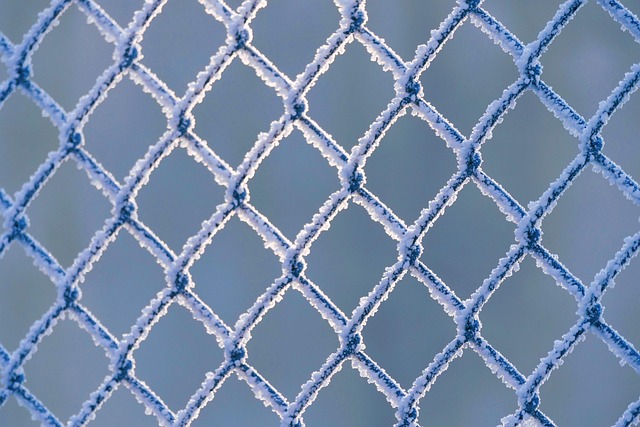
For longer-lasting durability, metal fences offer a robust solution. These typically come in pre-assembled sections that can be connected with brackets or welded together. Concrete posts are often used as anchors, providing stability and security. Chain-link fences, popular for their strength and visibility, use a weave of wire and posts, making installation simpler yet requiring regular maintenance to keep the mesh intact.
Securing Permits and Following Local Regulations
Before beginning any fence installation project in New Bedford, Massachusetts, it’s imperative to secure the necessary permits from local authorities. These permits ensure your project complies with building codes and zoning regulations specific to your area. Failure to obtain them could result in fines or even the halt of your project. Start by reaching out to the New Bedford planning department for guidance on required permits and applications.
In addition to permits, it’s crucial to familiarize yourself with local regulations regarding fence materials, heights, and placement. These rules vary from neighborhood to neighborhood and may impact the type of fence you choose as well as its design. Staying informed about these regulations ensures your fence installation not only complies with legal requirements but also enhances the overall aesthetic appeal of your property while avoiding potential disputes with neighbors or local authorities.
Tips for Maintenance and Longevity of Your DIY Fence
Regular maintenance is key to keeping your DIY fence in top condition, ensuring its longevity and maintaining its aesthetic appeal. Start by inspecting the fence regularly for any signs of damage, rot, or rust, addressing issues promptly to prevent them from escalating. Cleaning the fence twice a year with a pressure washer will help remove dirt, moss, and other buildup, preserving the finish and preventing early deterioration.
Apply a fresh coat of paint or stain every few years to shield the wood from the elements, maintaining its color and protecting it against moisture and UV damage. Keep the fence line free of debris and overhanging branches that can cause wear and tear. Regular maintenance not only extends the life of your DIY fence but also ensures it continues to serve as a beautiful and secure boundary for your New Bedford home.